

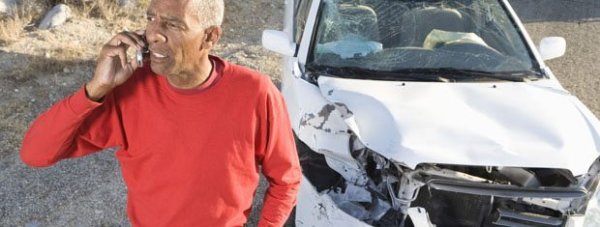
Woman examining the side damage of her red car after a traffic accident on a rainy road, highlighting vehicle impact and accident aftermath.

After a car accident, it can be difficult to think clearly. Between the shock, pain, and confusion, many people forget to collect the evidence and details needed to protect their claim. Knowing exactly what information to gather after a crash can make a major difference when filing an insurance claim or pursuing compensation later.

At Paulozzi, Alkire & Condeni Personal Injury Lawyers, our Ohio car accident attorneys help clients across Cleveland, Columbus, Cincinnati, Toledo, Akron, and Lorain build strong cases backed by solid evidence. The following checklist explains what to collect at the scene and what to document in the hours and days that follow.

Proven results. Millions recovered. No fee unless we win.

  • The full names, addresses, phone numbers, insurance information, drivers’ license numbers, and license plate numbers of all of the drivers and vehicles involved.
  • If a driver does not own the car he or she is driving, also get the name, address, phone number, and insurance information of the owner of the vehicle.
  • The full names, addresses, and phone numbers of any passengers in all of the vehicles, as well as any other witnesses to the accident.
  • If the police respond to the scene, obtain the officers’ names and badge numbers and the accident report number.
  • Take pictures of the damage to the vehicles involved and the scene of the accident. Later, also take pictures of your injuries.

Step-by-Step Guide: What to Collect After a Car Crash

Step 1: Get Medical Help and Notify Authorities

Before gathering any information, make sure everyone is safe.

  • Call 911 to report the accident and request police and medical assistance.
  • Accept medical attention even if you feel fine. Some serious injuries may not appear right away.
  • Stay at the scene until authorities arrive unless you need emergency care.

Getting a police report and prompt medical documentation establishes an important foundation for your injury claim.

Step 2: Exchange Key Information with the Other Driver

Once it is safe to do so, exchange details with every driver involved in the crash. Record or photograph this information carefully:

  • Full name and contact information
  • Driver’s license number
  • License plate number
  • Vehicle make, model, and color
  • Insurance company and policy number

If the driver does not own the vehicle, collect the owner’s name, address, phone number, and insurance information as well. This is often important for company vehicles or borrowed cars.

Step 3: Collect Witness and Passenger Details

Witness testimony can play a vital role in determining who was at fault.

  • Get the full names, phone numbers, and addresses of any passengers and eyewitnesses.
  • Ask if they are willing to provide a brief statement about what they saw.
  • Note whether anyone left the scene before speaking to the police.

Independent witnesses can provide unbiased accounts that strengthen your case if fault is disputed later.

Step 4: Obtain Police Information

If officers respond to the scene, record the following:

  • Each officer’s name and badge number
  • The accident report number
  • The department name (for example, Cleveland Police Department or Ohio State Highway Patrol)

Be sure to request a copy of the crash report once it becomes available. Police documentation often includes diagrams, citations, and witness summaries that can help establish liability.

Step 5: Take Photos and Videos at the Scene

Visual evidence is often the strongest form of proof in a car accident case. Use your phone or a camera to capture:

  • Vehicle damage from multiple angles
  • License plates and identifying vehicle features
  • The position of all vehicles before they are moved
  • Skid marks, debris, and traffic signs or signals
  • Weather, lighting, and road conditions
  • Visible injuries to yourself or your passengers

If possible, take photos both close-up and wide enough to show the full scene. Later, continue documenting your injuries as they heal or worsen.

Step 6: Record Key Observations and Notes

While the details are fresh in your mind, write down or record the following information:

  • The exact time, date, and location of the crash
  • The direction and speed of all vehicles before the impact
  • Weather and visibility conditions at the time
  • Any apparent vehicle defects that may have contributed to the crash, such as broken lights or worn tires
  • Statements made by other drivers, such as “I was texting,” “I didn’t see you,” or “My brakes failed”
  • Whether police issued tickets or citations
  • Whether EMS arrived and transported anyone to the hospital
  • Whether any driver was operating a company-owned vehicle or driving for work

These observations can be critical later, especially if an insurance company or defense attorney disputes fault.

Step 7: Preserve Additional Evidence

After leaving the scene, continue to gather and preserve supporting materials:

  • Medical records and bills that show the extent and cost of your injuries
  • Repair estimates or total-loss reports for your vehicle
  • Employment and income records to prove lost wages
  • Insurance correspondence between you, your insurer, and the other driver’s company
  • A personal injury journal describing your pain, emotional distress, and recovery process

The more evidence you can provide, the harder it is for an insurance company to minimize or deny your claim.

Step 8: Contact an Experienced Ohio Car Accident Lawyer

Once the immediate emergency has passed and you have gathered key information, your next step should be to contact an experienced Ohio personal injury attorney.

At Paulozzi, Alkire & Condeni Personal Injury Lawyers, we help accident victims in Cleveland, Columbus, Cincinnati, Toledo, Akron, and Lorain investigate their crashes, secure critical evidence, and handle all insurance communications. Our team will:

  • Review the details of your accident and identify all liable parties
  • Collect police reports, witness statements, and expert opinions
  • Organize your medical and financial documentation
  • Negotiate aggressively for maximum compensation
  • Prepare your case for trial if a fair settlement cannot be reached

We act quickly to protect your rights and ensure evidence is preserved before it disappears.

Why Documentation Is So Important

Insurance companies often look for any reason to deny or reduce valid claims. Without clear evidence, it becomes easier for them to argue that your injuries were not serious, not related to the accident, or that you were partially at fault. The right documentation eliminates those arguments and strengthens your case from the start.

Get Legal Help from a Trusted Ohio Car Accident Lawyer

After a crash, gathering the right information is only the first step. Let the team at Paulozzi, Alkire & Condeni Personal Injury Lawyers handle the rest. Our firm represents injured victims across Cleveland, Columbus, Cincinnati, Toledo, Akron, and Lorain, helping them recover fair compensation for their medical expenses, lost income, pain and suffering, and long-term recovery needs.

Call us at 800-LAW-OHIO (800-529-6446) or schedule your free consultation today. There are no upfront costs, and you pay nothing unless we win. 


Cleveland Car Accident Lawyers Blogs