




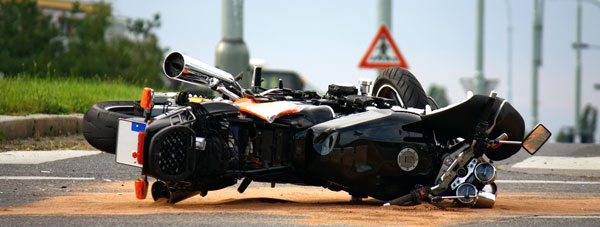
motorcycle accidents

Your safety and health should always come first after a motorcycle accident. If you or anyone else is seriously injured, seek immediate medical attention and call 911 right away. Once emergency responders and police have been notified and everyone is safe, gathering the right information can help protect your health, your insurance claim, and any future legal case.

Information to Collect From Everyone Involved

Be sure to obtain the following details from all drivers involved in the crash:

  • Full name
  • Home address
  • Phone number
  • Driver’s license number
  • License plate number
  • Insurance company and policy information

If the driver was operating someone else’s vehicle, also collect the vehicle owner’s:

  • Full name
  • Address
  • Phone number
  • Insurance information

You should also gather the names and contact information of:

  • Passengers in all involved vehicles
  • Eyewitnesses who saw the accident happen

If you suspect a driver is under the influence of alcohol or drugs, report your concerns to police officers or emergency personnel immediately.

Important Details to Document at the Scene

If you are physically able, take notes about the accident while the details are still fresh.

Record the Following Information:

  • The exact location of the accident
  • The direction each vehicle was traveling
  • The time the crash occurred
  • Weather, lighting, and road conditions
  • Traffic signals, signs, or road hazards nearby
  • Any vehicle issues noticed before the crash, such as broken headlights or brake lights
  • Visible damage to all vehicles involved
  • Whether any vehicles needed to be towed
  • How the collision happened from your perspective

Pay Attention to Statements Made at the Scene

If anyone admits fault or makes comments related to the crash, make note of exactly what was said. Examples may include:

  • “I was speeding.”
  • “I didn’t see the motorcycle.”
  • “I was distracted by my phone.”
  • “I wasn’t paying attention.”
  • “I’m sorry, this was my fault.”

These statements could become important later during an insurance claim or legal case.

Information About the Police Response

If law enforcement responds to the scene, try to collect:

  • The responding officers’ names and badge numbers
  • The police report or accident report number
  • Information about any citations or tickets issued

Also determine whether any driver was operating:

  • A company-owned vehicle
  • A commercial vehicle
  • A vehicle while performing job-related duties

This information may affect who can be held legally responsible for the accident.

Take Photos and Preserve Evidence

Photographs can provide valuable evidence after a motorcycle accident. If possible, take clear pictures of:

  • Vehicle damage
  • Your motorcycle
  • The accident scene
  • Road conditions and skid marks
  • Traffic signs or signals
  • Visible injuries

You should also keep copies of:

  • Medical records and bills
  • Repair estimates
  • Insurance correspondence
  • Tow truck receipts
  • Helmet and damaged riding gear

Why This Information Matters

Motorcycle accidents often lead to serious injuries and complex insurance disputes. The more documentation you have, the easier it may be to prove what happened and pursue compensation for medical expenses, lost wages, motorcycle repairs, and pain and suffering.

Protect Your Health, Rights, and Future After a Motorcycle Crash

The moments after a motorcycle accident can feel overwhelming, but collecting the right information can make a significant difference in protecting your rights. Prioritize your health, cooperate with emergency responders, and document as much as possible once it is safe to do so. Speaking with an experienced motorcycle accident attorney can also help you understand your legal options moving forward.

Disclaimer: This information is for general educational purposes only and is not legal advice. Legal advice can only be provided by a qualified attorney familiar with the specific facts and circumstances of your case and applicable law.